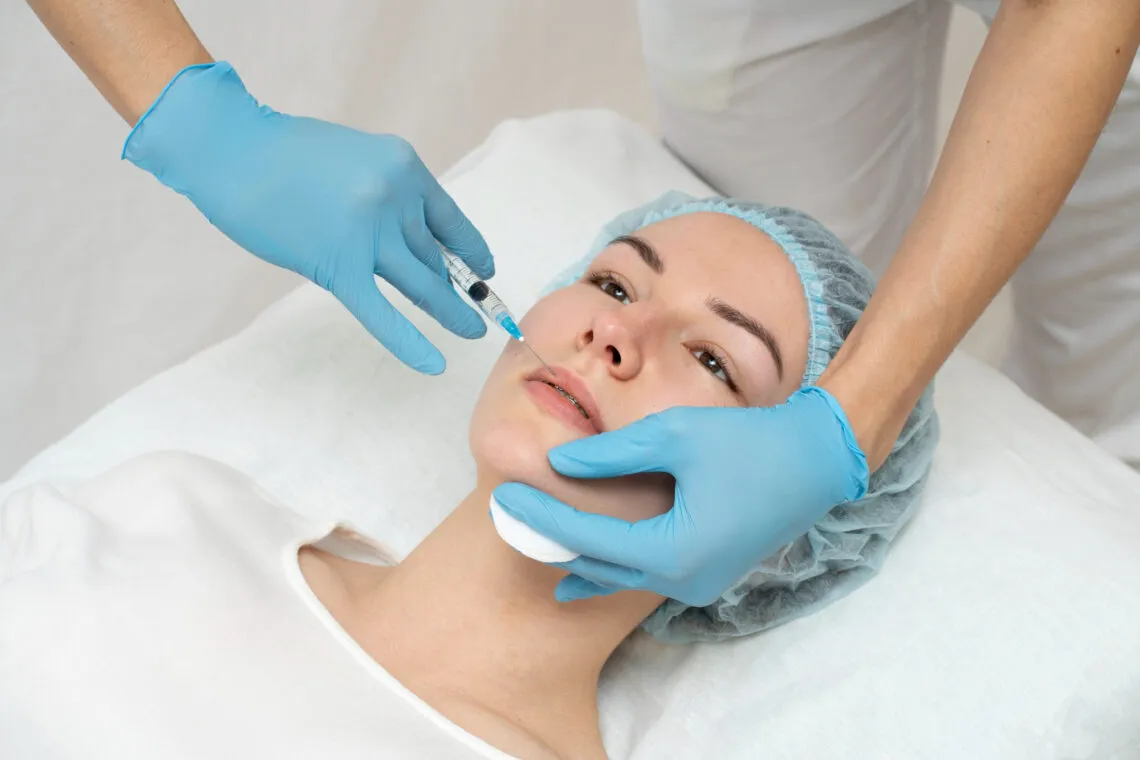
If you have been scrolling through social media lately, you have probably noticed something: Botox is no longer just for people trying to reverse aging. A growing wave of people in their 20s and 30s are quietly booking appointments before a single wrinkle settles in. So what is actually going on — and more importantly, is this smart skin strategy or just another beauty trend?
As a PA-C who provides Botox treatments at Twenty-One Medical in Pineville, NC, I get this question almost every week. The answer is more nuanced than a single number, and getting it right makes all the difference between natural, lasting results and a face that looks overdone.
In this guide, we are going to walk you through everything you need to know about when to start Botox — broken down by decade, skin type, and lifestyle — so you can make a confident, informed decision.
Quick Answer: There is no single “best age” to start Botox. The right time depends on your genetics, facial movement patterns, and whether you are seeing early signs of expression lines — not how many candles are on your birthday cake.
What Is Preventative Botox? (And Why Everyone Is Talking About It)
Preventative Botox — sometimes called “Baby Botox” or “prejuvenation” — refers to using small, targeted doses of botulinum toxin type A to slow the formation of wrinkles before they become permanent.
Here is the science behind it: wrinkles form in two stages. First come dynamic wrinkles — the lines you see only when you smile, squint, or frown. Over time, with repeated muscle contractions and natural collagen loss, those dynamic lines graduate into static wrinkles — the ones you see even when your face is completely at rest. Once wrinkles become static, they are significantly harder to treat.
Preventative Botox interrupts that progression. By gently relaxing the muscles responsible for those repetitive movements, it reduces the intensity of creasing before lines have a chance to become permanent.
According to research published in JAMA Dermatology, dermatologists increasingly note that initiating neuromodulator treatment in a patient’s 20s or 30s can have a dramatic effect on how the face looks in their 40s and 50s.
The numbers back this up. Approximately 24% of all Botox procedures in 2025 are now performed on patients aged 19–34, and the 20–29 age group has seen over 8% growth in neuromodulator use in recent years, according to the American Society of Plastic Surgeons.
The Best Age to Start Botox — A Decade-by-Decade Breakdown
Rather than giving you a single number, the most useful framework is to look at what your skin actually looks like at each stage — and what Botox can realistically achieve at that point.
Early 20s (Ages 20–24): Usually Not Yet, But Not Never
Most people in their early 20s do not yet need Botox. At this age, skin still has excellent elasticity and collagen levels are strong — natural rebound takes care of most expression lines on its own.
That said, there are exceptions. If you have highly expressive facial muscles, a strong family history of early wrinkles, or you are already noticing faint lines that are slow to fade, a very conservative Baby Botox approach may be appropriate. The key word here is conservative — we are talking 5 to 10 units at most, focused on one specific area of concern.
Bottom line for your 20s: Focus on sunscreen, hydration, and a solid skincare routine. Botox is a complement to good skin health, not a replacement for it.
Mid-to-Late 20s (Ages 25–29): The Prevention Sweet Spot
This is where preventative Botox starts to make real clinical sense for many people. By the mid-to-late 20s, collagen production is beginning to slow, and if you are noticing lines that linger a little longer than they used to after you smile or squint, that is a meaningful early signal.
Common treatment areas at this stage include the forehead, glabellar lines (the “11s” between the brows), and the beginnings of crow’s feet around the eyes. At this age, smaller doses — typically 10–20 units — are all that is needed to maintain smooth skin and delay the transition from dynamic to static wrinkles.
The advantage of starting here? Your skin responds faster, requires fewer units, and the results tend to be more natural-looking because we are preventing rather than correcting.
Early 30s (Ages 30–35): The Most Common Starting Point
The early 30s are when most people first walk through the door of a clinic asking about Botox — and for good reason. This is typically when dynamic wrinkles start becoming visible at rest, and when the gap between how you feel and how tired you look starts to widen.
At this stage, Botox serves a dual purpose: continuing to prevent further line formation while also beginning to soften existing lines. Results are still excellent, and because most people at this age are starting with moderate concerns, natural-looking outcomes are very achievable.
Mid 30s to 40s (Ages 36–45): Correction Becomes the Primary Goal
By the mid-to-late 30s and into the 40s, the focus of Botox shifts from pure prevention to a combination of correction and ongoing maintenance. Static wrinkles are more visible, and you may need slightly higher doses to achieve the same smoothing effect.
This does not mean Botox is less effective — far from it. It simply means the treatment strategy evolves. Many patients in this age range also benefit from pairing Botox with dermal fillers to address volume loss that develops alongside wrinkle formation.
50s and Beyond: It Is Never Too Late
One of the most persistent myths about Botox is that there is an age after which it stops being worthwhile. This is simply not true. Botox works at any age, though the goal at this stage shifts primarily toward restoration and maintenance rather than prevention.
Realistic expectations are important here — Botox relaxes muscle activity but does not remove deep static lines the way a surgical procedure would. However, it remains one of the most effective non-surgical tools available for a refreshed, rested appearance well into your 60s and beyond.
Quick Reference: Botox by Age Range
| Age Range | Indication | Typical Dose | Treatment Goal |
| Early 20s (20–24) | Very expressive faces, genetic predisposition | Baby Botox (5–10 units) | Early prevention |
| Mid-Late 20s (25–29) | Faint lines that linger after expression | 10–20 units | Prevention sweet spot |
| Early 30s (30–35) | Fine lines visible at rest | 15–30 units | Prevention + correction |
| Mid 30s–40s (36–45) | Established expression lines | 20–40+ units | Correction + maintenance |
| 50s and beyond | Deeper static wrinkles | Customized | Restoration + prevention |
Signs You Are Ready for Preventative Botox (Regardless of Age)
Age is a guideline, not a rule. These are the real indicators that it may be time to book a consultation:
- You notice expression lines that linger for several seconds after your face relaxes — especially on the forehead or between the brows
- You have a strong family history of early or deep wrinkles
- You squint frequently, spend long hours at a screen, or spend significant time outdoors without sun protection
- You are beginning to see faint crow’s feet that were not there a year ago
- You want to get ahead of aging before visible wrinkles appear, not after
On the flip side, Botox is probably not yet warranted if your skin bounces back fully and quickly after all expressions, you have no lingering lines even under close examination, and you are under 22 with no compelling genetic or lifestyle risk factors.
What Is Baby Botox? How It Differs from Standard Treatment
You have likely heard the term Baby Botox floating around — but what does it actually mean?
Baby Botox is not a separate product or formula. It refers to a technique: using smaller doses of the same botulinum toxin, injected more precisely, to achieve subtle softening without any loss of natural expression. Where a traditional corrective Botox session might use 20–50 units across multiple areas, a Baby Botox session for a preventative patient in their 20s might use just 10–20 units total.
The goal is not a frozen forehead. The goal is a face that looks like you — just slightly more rested, slightly more refreshed, with lines that soften rather than disappear. Done well, no one should be able to tell you had anything done.
At Twenty-One Medical, our approach to Botox is always to start conservative. We photograph your face before treatment, map out the specific areas, and use only what is clinically necessary to achieve your goals — nothing more.
Common Myths About Starting Botox Early — Debunked
Myth 1: Starting Botox Young Will Make You Dependent on It
This is one of the most common concerns we hear, and it is understandable. The reality is that Botox is not chemically addictive. If you stop treatment at any point, muscle movement gradually returns to baseline and your skin continues aging naturally from that point. You will not look worse for having had Botox — your skin will simply return to where it would have been without treatment.
Myth 2: Early Botox Will Freeze Your Face
Frozen-looking results are almost always the product of too-high doses or poor injection technique — not of starting Botox young. Preventative doses are by nature smaller and more conservative, which actually makes over-treatment less likely, not more.
Myth 3: You Will Need More and More Over Time
Some clinical evidence actually suggests the opposite. Patients who begin preventative treatment early may be able to maintain smooth skin with the same or fewer units over time, because they are preventing the deep muscle-memory creasing that requires higher doses to address once established.
Myth 4: Botox Is Only for Women
Men are one of the fastest-growing demographics for Botox treatments. Male facial muscles tend to be stronger, which can create deeper lines earlier — making preventative Botox particularly effective for men in their 30s. The treatments are identical; only the dose and target areas may vary slightly based on facial anatomy.
What to Expect at Your First Botox Appointment in Pineville NC
If you are considering Botox for the first time at Twenty-One Medical, here is exactly what the process looks like:
- Complimentary consultation with Shawn O’Keefe, PA-C — we review your goals, examine your facial movement patterns, and discuss whether Botox is appropriate for you right now
- Before photos — we photograph your face at rest and in motion to document your natural baseline
- Treatment mapping — specific injection points are identified based on your anatomy, not a one-size-fits-all template
- Injections — the procedure typically takes 10–15 minutes; most patients describe minimal discomfort
- Results visible in 5–7 days, lasting up to four months for most patients
Our pricing is straightforward and transparent: $12 per unit, with a clear estimate provided before we begin. You will never be surprised by your bill.
Frequently Asked Questions About Botox Age and Timing
Not necessarily. If you are 25 and already noticing faint expression lines that are slow to fade, a small preventative dose may be appropriate. A consultation with an experienced injector will give you a definitive answer based on your actual skin condition, not just your age.
Most patients schedule treatments every 3 to 4 months to maintain results. Younger patients with preventative doses sometimes find they can stretch to every 4 to 6 months, especially with consistent treatment over time.
Most patients describe the sensation as a series of brief pinpricks. The needles used for Botox are very fine, and the procedure is completed in minutes. Some providers apply a topical numbing cream beforehand if requested.
Absolutely. Botox is not a permanent commitment. If you stop treatments, the effects gradually wear off over 3 to 4 months and your muscles return to normal function. Your skin will not look worse than it would have without Botox.
Yes — the national average for Botox ranges from $10 to $25 per unit depending on the provider and location. At $12 per unit with a physician-supervised clinical environment at Twenty-One Medical, you are receiving a highly competitive rate with the added assurance of medical-grade care.
The Bottom Line: Listen to Your Skin, Not Your Birthday
The best age to start Botox is when your skin — not a calendar — tells you it is time. For some people, that is 26. For others, it is 38. What matters more than age is your specific anatomy, your expression patterns, your family history, and what you actually want to achieve.
The most important thing you can do is consult with a qualified, experienced medical provider who will assess your face individually and give you an honest recommendation — even if that recommendation is to wait. At Twenty-One Medical in Pineville, NC, we offer complimentary Botox consultations with Shawn O’Keefe, PA-C. Whether you are 24 and curious about prevention or 44 and ready to soften existing lines, we will create a treatment