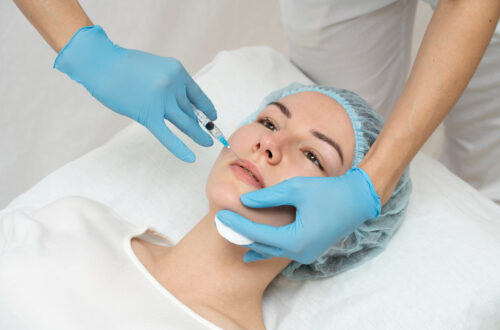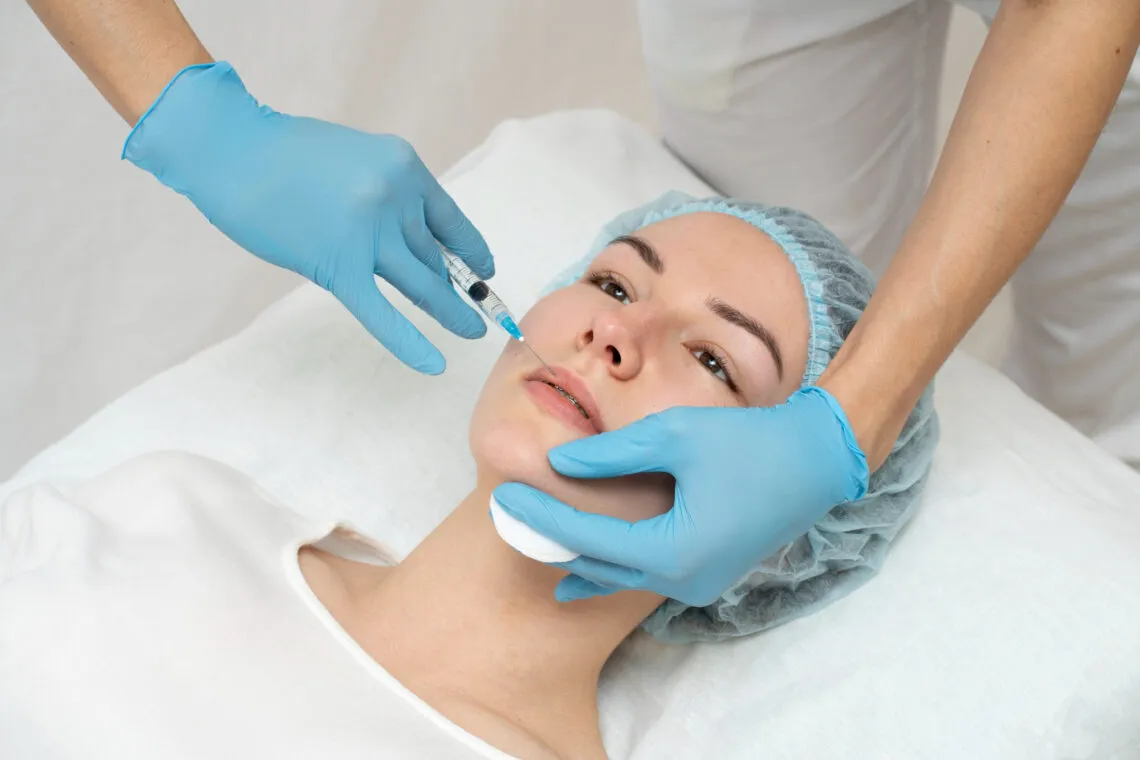
From baby Botox to personalized dosing — how patient expectations are reshaping the injectable neuromodulator landscape.
Something has shifted in how patients approach facial aesthetics — and the search data makes it impossible to ignore. Across the United States and internationally, queries for ‘Baby Botox,’ ‘Microdosing Botox,’ and ‘preventative Botox near me’ have climbed year over year, driven by a generation of patients who want results that look like themselves, only more rested. According to the American Society of Plastic Surgeons, neuromodulator treatments remain among the most performed minimally invasive procedures, with consistent growth in the 20-to-34 age cohort seeking early intervention (ASPS, 2024).
The conversation has moved on from the frozen foreheads of decades past. Today’s patients are asking sharper questions — about dosing strategies, onset timelines, product differences, and how to find a qualified provider for Botox near me in their own city. This article examines the trends shaping Botox treatments in 2026, what the clinical evidence supports, and what it means for both patients and the clinics that serve them.
The Rise of Baby Botox and Microdosing: Less Is the New More
Baby Botox — sometimes called microdosing Botox — refers to the use of smaller-than-standard units injected across more sites, preserving natural facial movement while softening dynamic lines. Where a conventional glabellar treatment might use 20 units across five injection points, a microdosing protocol may distribute 8 to 12 units across a wider field, intentionally maintaining partial muscle function.
This approach has gained significant traction among patients in their mid-20s and early 30s who are not seeking erasure of expression lines but want what practitioners describe as ‘refreshed without frozen.’ A 2023 industry analysis by Allergan Aesthetics reported growing demand for lower-unit treatment plans among Millennial patients, particularly in urban markets where the visual currency of looking natural — rather than treated — carries social weight (Allergan Aesthetics Insight Report, 2023).
What Microdosing Looks Like in Practice
In a typical baby Botox consultation, the injecting clinician — whether a board-certified dermatologist, plastic surgeon, or trained nurse practitioner — will assess muscle activity across the upper face, note areas of early dynamic wrinkling, and design a personalized dosing map. The goal is not full neuromuscular blockade but a controlled reduction in peak muscle contraction.
Botox results timeline for microdosing protocols mirrors standard treatment: initial relaxation appears within 3 to 5 days, with full effect visible by day 10 to 14. Duration, however, may be slightly shorter — often 2.5 to 3 months rather than the 4-month average seen with standard dosing — making quarterly appointments the typical cadence for patients on this protocol.
| ‘My patients in their late twenties are not asking for dramatic change. They want to look like themselves at their best — not a version of themselves that looks like no one moved their face for three months.’ — Composite clinic perspective based on documented patient consultation feedback. |
Preventative Botox and the Prejuvenation Movement
Preventative Botox — or prejuvenation, as it is increasingly called in aesthetic medicine — describes the use of neuromodulator injections before significant static lines have formed, with the clinical rationale that reducing repetitive muscle movement slows the mechanical processes that deepen etched lines over time.
The research base supporting this approach is growing. A frequently cited study published in JAMA Dermatology followed identical twins with differing Botox treatment histories over 13 years, finding that the twin who received consistent treatments showed markedly less deep rhytid formation in the glabella, lateral canthal, and frontal regions (Glogau & Kane, JAMA Dermatology, 2006 — foundational; extended by subsequent longitudinal analyses). While long-term randomized controlled trials remain limited, the mechanistic rationale is well-accepted within the specialty.
Who Is a Candidate for Preventative Treatment?
Most clinicians recommend a threshold-based approach: patients who demonstrate early dynamic lines at rest — faint impressions that persist briefly after an expression fades — are generally considered appropriate candidates for preventative Botox injections. Patients with purely expressive lines that disappear at rest are assessed on an individual basis.
A thorough intake process typically includes reviewing the patient’s facial movement patterns, skin quality, muscle mass, and treatment goals. Contraindications — including pregnancy, neuromuscular disorders such as myasthenia gravis, active infection at the injection site, and hypersensitivity to botulinum toxin — are reviewed before any treatment plan is established.
Personalized Dosing: Why One Protocol No Longer Fits All
The shift toward personalized dosing is perhaps the most clinically significant trend in Botox treatments today. Patients vary considerably in their facial anatomy, muscle mass, skin thickness, and metabolic response to botulinum toxin. A 20-unit glabellar treatment that produces optimal results in one patient may produce over-correction or undercorrection in another.
Experienced injectors increasingly work from individualized dosing maps rather than template protocols. Factors that influence dosing strategy include gender (men typically require higher unit counts due to greater frontalis and corrugator muscle mass), prior treatment history, response to previous injections, and specific aesthetic goals — including the patient’s explicit preference for subtle, natural-looking results over complete relaxation.
The Role of Neuromodulator Selection
Botox is one of three FDA-approved botulinum toxin type A products in wide clinical use in the United States. Dysport (abobotulinumtoxinA) and Xeomin (incobotulinumtoxinA) offer different diffusion profiles, unit equivalencies, and molecular characteristics that may influence a clinician’s choice for particular treatment areas or patient profiles. The table below provides a clinical comparison.
Neuromodulator Comparison: Botox vs. Dysport vs. Xeomin
| Botox (OnabotulinumtoxinA) | Dysport (AbobotulinumtoxinA) | Xeomin (IncobotulinumtoxinA) | |
| Manufacturer | Allergan (AbbVie) | Galderma | Merz Aesthetics |
| FDA Approvals | Glabellar lines, crow’s feet, forehead, hyperhidrosis, migraines | Glabellar lines, cervical dystonia | Glabellar lines, blepharospasm |
| Onset | 3–5 days (full effect 10–14 days) | 2–3 days | 3–5 days |
| Duration | 3–4 months typical | 3–4 months | 3–4 months |
| Diffusion | Moderate spread | Wider diffusion profile | Minimal diffusion (no complexing proteins) |
| Unit Ratio | Reference standard (1:1) | ~2.5–3 units = 1 Botox unit | 1:1 comparable to Botox |
| Ideal Use | Versatile; broad indications; preventative and baby Botox protocols | Forehead, broader treatment areas | Patients with prior toxin resistance |
Finding Botox Near You: What Patients Should Know
Search intent data from Google Trends consistently shows ‘Botox near me’ among the highest-volume queries in the aesthetics category, suggesting that patient decision-making is substantially local. When a prospective patient searches for Botox injections in their city, they are not simply looking for any provider — they are evaluating trust, proximity, and clinical credibility simultaneously.
| Checklist: Choosing a Local Botox Provider |
| Verify credentials: Look for board-certified dermatologists, plastic surgeons, or licensed nurse practitioners with documented injectable training. |
| Review before-and-after galleries: Assess whether results show natural-looking outcomes consistent with your goals. |
| Ask about the consultation process: A qualified provider will assess your anatomy before recommending a dosing strategy — not offer a one-size protocol. |
| Confirm the product being used: Ask which FDA-approved neuromodulator is used and why. |
| Check for medical oversight: In medispa settings, confirm a supervising physician is involved in treatment protocols. |
| Read verified patient reviews: Prioritize platforms (Google, RealSelf) where reviews are tied to confirmed patient accounts. |
Three Ways Clinics Can Improve Local Search Visibility
- Optimize your Google Business Profile fully — including service categories (‘Botox injections,’ ‘neuromodulator treatments’), updated photos, and consistent NAP (name, address, phone) information. Practices with complete profiles are significantly more likely to appear in local map pack results.
- Actively request and respond to patient reviews. Google’s local ranking algorithm weighs both review volume and recency. A structured post-appointment follow-up process — via email or SMS — that invites satisfied patients to leave a review can meaningfully improve local visibility over time.
- Integrate local keywords naturally into your website’s service pages and blog content: phrases such as ‘Botox treatments in [City, State],’ ‘baby Botox near [Neighborhood],’ and ‘preventative Botox [City]’ improve topical relevance for geographically specific queries without keyword stuffing.
Safety, Side Effects, and What to Expect on Your Botox Results Timeline
Botulinum toxin type A has a well-established safety profile when administered by trained practitioners using appropriate technique and doses. The most common side effects following Botox injections — bruising at the injection site, mild swelling, and transient headache — typically resolve within 24 to 72 hours. Most patients return to normal activities immediately.
More serious but uncommon adverse events include eyelid ptosis (drooping) resulting from toxin migration to the levator palpebrae muscle, and eyebrow asymmetry. These risks are substantially mitigated by practitioner experience, anatomical knowledge, and adherence to recommended injection depths and sites. Patients should avoid lying flat, rubbing the treated area, or engaging in vigorous exercise for four hours post-treatment.
Screening and Contraindications
Prior to any neuromodulator treatment, a thorough medical history should include screening for neuromuscular junction disorders, current medications (particularly aminoglycosides, which may potentiate toxin effects), active skin infections or inflammation at proposed injection sites, and pregnancy or lactation status. Patients with a known allergy to any botulinum toxin component are not candidates for treatment.
Industry reports indicate that complication rates remain low in clinical settings with proper patient selection and practitioner training — reinforcing the importance of choosing a qualified provider rather than prioritizing cost or convenience alone (Aesthetics Journal, 2024).
| The Botox results timeline most patients can expect: initial softening within 3-5 days, full effect by day 10-14, peak maintenance through weeks 8-12, with gradual return of movement beginning around month 3. |
FAQs
Baby Botox uses smaller units of the same botulinum toxin product distributed across more injection sites. The goal is partial muscle relaxation rather than full blockade, preserving natural facial movement and expression while softening dynamic lines. It is particularly suited to younger patients or those seeking subtle, low-impact results.
Preventative Botox injections typically last 3 to 4 months, consistent with standard treatment. Patients on preventative protocols often maintain appointments every 3 to 4 months to sustain the muscle-reduction effect that slows rhytid formation over time. With consistent treatment, some patients report needing slightly fewer units as muscle atrophy progresses.
Microdosing uses the same FDA-approved neuromodulator as standard treatment and carries a comparable safety profile. Good candidates are healthy adults without neuromuscular disorders who want subtle results or are new to injectables. A qualified injector will assess your anatomy and movement patterns before recommending any dosing protocol.
Most patients experience minimal downtime. Small injection-site bumps or redness typically resolve within 30 minutes. Minor bruising is possible and may last 2 to 5 days. Initial muscle softening begins around day 3 to 5, with full Botox results visible by day 10 to 14. Avoid rubbing the treated area or lying flat for 4 hours post-treatment.
Botox treatments are generally priced per unit or per area, depending on the clinic. Per-unit pricing in the United States typically ranges from $12 to $20 per unit, with full treatment area costs varying by the number of units required. A glabellar treatment might require 15 to 25 units; a full upper-face protocol, 40 to 60 units. Always request a personalized quote during consultation.
Look for a board-certified dermatologist, plastic surgeon, or licensed, physician-supervised nurse injector with documented training in facial anatomy and neuromodulators. Ask to see a before-and-after portfolio. Avoid providers who offer deeply discounted pricing without a full consultation, or who cannot clearly explain their dosing rationale.
Ready for a Conversation About Your Treatment Options?
If you have been researching Botox treatments — whether preventative, microdosing, or a first-time consultation — the best next step is a one-on-one discussion with a qualified local injector who can assess your anatomy and goals in person. There is no substitute for an individualized evaluation. Reach out to a board-certified provider in your area to schedule a consultation and ask the questions that matter to you.