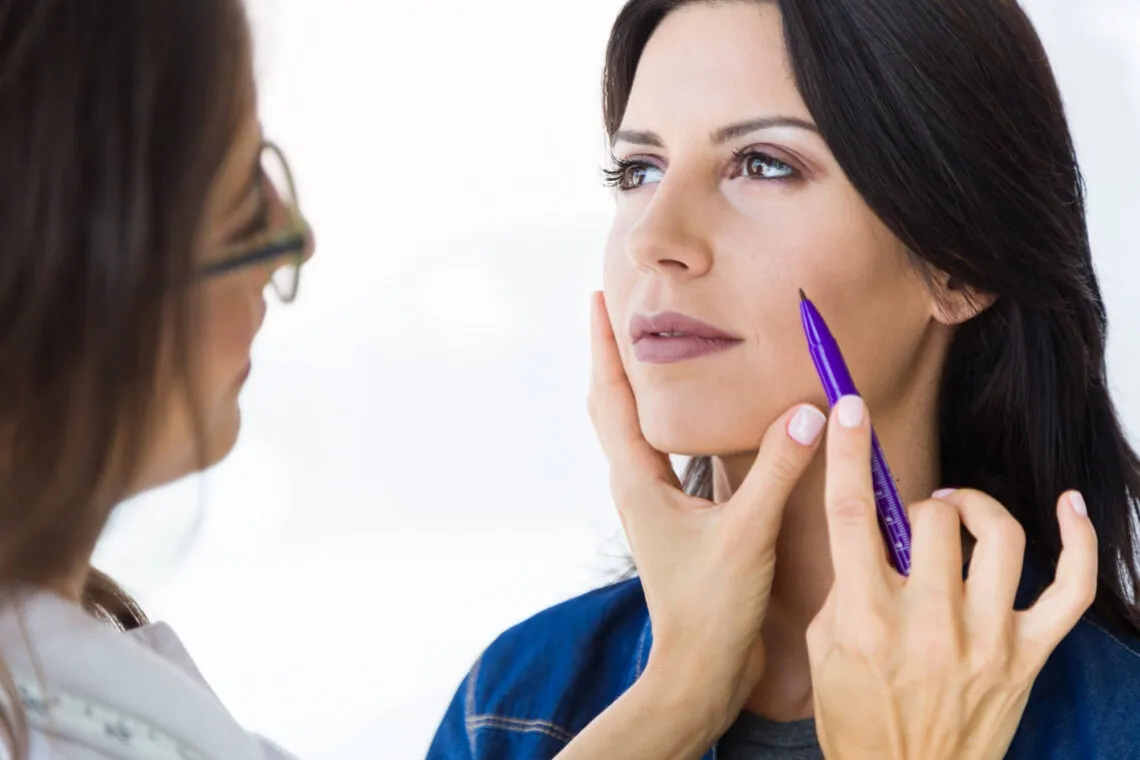
If you’ve noticed your jawline softening, your neck showing bands, or your skin just not bouncing back the way it used to, you’re not imagining things. Skin laxity is one of the most common complaints among adults in their 30s through 60s, and it’s frustratingly resistant to topical treatments.
The good news? You don’t need surgery to see real improvement.
Non-surgical skin tightening has exploded in popularity across the United States, with thousands of people choosing advanced treatments over facelifts every year. But with so many options available, the decision can feel overwhelming. Three names keep coming up in conversations with dermatologists and aesthetic providers: Ultherapy, Morpheus8, and Opus Plasma.
Each uses different technology. Each delivers different results. And each works best for specific concerns and skin types.
This guide breaks down exactly how these treatments work, what they can realistically achieve, and which one might be right for your goals. No sales pitch. No confusing medical jargon. Just clear, honest information to help you make an informed decision.
What Is Ultherapy?
Ultherapy stands alone as the only FDA-cleared treatment that uses ultrasound energy to lift and tighten skin. Unlike topical treatments that work on the surface, Ultherapy targets the same foundational layer that plastic surgeons address during surgical facelifts—the SMAS layer (superficial muscular aponeurotic system).
Here’s how it works: focused ultrasound energy penetrates deep beneath the skin’s surface, reaching depths of up to 4.5mm. This energy creates precise thermal coagulation points—essentially controlled micro-injuries—that trigger your body’s natural healing response. Over the following months, your skin produces fresh collagen and elastin, gradually lifting and tightening from within.
What makes ultrasound technology unique is the built-in imaging capability. Providers can actually visualize the layers of tissue on a screen during treatment, ensuring energy reaches the exact depth needed for optimal results. This precision matters when treating delicate areas like the brow or neck.
Ideal Candidates for Ultherapy
Ultherapy works best for people with mild to moderate skin laxity who aren’t ready for surgery. If you’re noticing a sagging brow, loose skin under the chin, or vertical neck bands, ultrasound treatment can make a noticeable difference. Most patients are between 30 and 65, with enough remaining collagen that their skin can still respond to stimulation.
The Ultherapy Experience
Most people describe the sensation as brief pulses of heat or tingling deep beneath the skin. Pain tolerance varies significantly—some patients find it completely manageable while others request numbing cream beforehand. The treatment typically takes 60-90 minutes depending on which areas you’re addressing.
Pros:
- Single treatment usually sufficient
- No recovery time required
- Works at the deepest level of any non-surgical option
- FDA-cleared for lifting skin on the neck, under the chin, and brow
- Results continue improving for 2-3 months
Cons:
- Can be uncomfortable during treatment
- Results aren’t immediate
- Higher upfront cost than some alternatives
- Not ideal for significant skin laxity or loose skin
- Some patients see minimal improvement
Downtime and Results
There’s essentially no downtime with Ultherapy. You might experience slight redness or swelling immediately after treatment, but most people return to normal activities the same day. Some patients notice mild tenderness for a few days.
Results emerge gradually as new collagen forms. Most people see initial changes within 2-3 months, with continued improvement up to 6 months post-treatment. Results typically last 1-2 years, though this varies based on age, skin quality, and lifestyle factors.
What Is Morpheus8?
Morpheus8 combines two powerful technologies: radiofrequency energy and microneedling. This dual-action approach has made it one of the most popular skin tightening treatments in medical spas and dermatology practices across the country.
The device uses tiny needles that penetrate the skin to varying depths (up to 4mm), delivering radiofrequency energy directly into the deeper layers. This combination remodels subdermal tissue while simultaneously improving skin texture and tone at the surface.
Unlike traditional microneedling that relies solely on mechanical injury to trigger collagen production, the radiofrequency component creates controlled thermal zones. This heat energy causes immediate collagen contraction and stimulates long-term collagen regeneration. The result is tighter, firmer skin with improved texture, smaller pores, and reduced scarring or stretch marks.
Ideal Candidates for Morpheus8
Morpheus8 excels for people dealing with multiple concerns simultaneously. If you have mild to moderate skin laxity combined with texture issues, acne scarring, large pores, or uneven tone, this treatment addresses everything in one session. It’s particularly effective for the lower face, jawline, neck, and body areas like the abdomen or arms.
The technology is safe for all skin types, including darker skin tones that might be at higher risk with laser treatments. This versatility has made Morpheus8 especially popular among diverse patient populations.
The Morpheus8 Experience
Treatment begins with topical numbing cream applied 30-45 minutes before your session. Most patients tolerate the procedure well with numbing, though you’ll feel pressure and warmth as the device moves across treatment areas. Sessions typically last 30-60 minutes depending on the area covered.
Pros:
- Treats both skin tightening and texture simultaneously
- Safe for all skin tones
- Customizable needle depth for different concerns
- Effective on face and body
- Combines well with other treatments
- Less discomfort than Ultherapy for most patients
Cons:
- Requires multiple sessions for optimal results (typically 3-4)
- More visible downtime than Ultherapy
- Needles may concern some patients
- Results take time to develop
- Ongoing maintenance recommended
Pain Level and Downtime
With proper numbing, most patients rate Morpheus8 discomfort around 3-4 out of 10. The sensation is often described as warmth and pressure rather than sharp pain.
Expect 3-5 days of visible recovery. Immediately after treatment, your skin will appear red and feel tender, similar to a sunburn. Small pinpoint bleeding may occur, which is normal. Swelling peaks within 24-48 hours then gradually subsides. Most people can return to work after 2-3 days with makeup, though you’ll want to avoid strenuous exercise for about a week.
Results Timeline
Initial skin tightening from collagen contraction appears within days. However, the real transformation happens over 3-6 months as new collagen forms and tissue remodeling occurs. Most providers recommend 3-4 sessions spaced 4-6 weeks apart for optimal results. Effects typically last 1-2 years, with maintenance treatments recommended annually.
What Is Opus Plasma?
Opus Plasma represents newer technology in the skin tightening space, combining radiofrequency energy with fractional plasma. This hybrid approach delivers impressive results with reportedly less downtime than traditional CO2 laser resurfacing.
The device generates plasma energy through high-frequency unipolar RF. This creates tiny channels of controlled injury in the skin while simultaneously heating deeper tissue layers. The fractional delivery means surrounding healthy tissue remains intact, supporting faster healing while still triggering robust collagen stimulation.
What sets Opus Plasma apart is its ability to work both superficially and deep. The plasma component addresses surface concerns like texture, fine lines, and pigmentation, while the radiofrequency penetrates deeper for skin tightening and lifting effects. It’s essentially combining resurfacing with tightening in one treatment.
Ideal Candidates for Opus Plasma
Opus Plasma works well for people with mild to moderate skin laxity who also want to address surface-level aging signs. If you’re dealing with fine lines, uneven texture, sun damage, or enlarged pores along with sagging skin, this treatment tackles all concerns simultaneously.
The technology is safe across different skin types, though patients with very dark skin should consult with experienced providers about settings and expectations. It’s particularly popular for facial rejuvenation, though it can be used on the neck and décolletage as well.
The Opus Plasma Experience
Like Morpheus8, treatment begins with topical numbing cream. During the procedure, you’ll feel warmth and pressure as the handpiece moves across your skin. Some describe brief snapping sensations, but most patients find it well-tolerated with proper numbing. Treatment time varies from 20-45 minutes based on the area covered.
Pros:
- Combines surface and deep skin improvements
- Less aggressive than CO2 laser with comparable results
- Safe for various skin tones
- Customizable intensity levels
- Can address multiple aging concerns simultaneously
- Relatively quick treatment time
Cons:
- More downtime than Morpheus8 or Ultherapy
- May require multiple sessions
- Newer technology with less long-term data
- Not as widely available as other options
- Visible peeling and crusting during recovery
Safety for Different Skin Tones
Because Opus Plasma uses radiofrequency rather than laser light, it carries lower risk of post-inflammatory hyperpigmentation in darker skin. However, proper settings and experienced providers remain crucial. The fractional delivery pattern helps minimize complications across skin types.
Recovery Time
Opus Plasma requires more visible downtime than the other options discussed. Immediately after treatment, skin appears red and swollen. Within 24-48 hours, you’ll develop a bronzed or darkened appearance as micro-crusts form across treated areas. These gradually flake off over 5-7 days.
Most people need 5-10 days before feeling comfortable in public without makeup. Complete healing takes about two weeks. During recovery, strict sun protection is essential.
Results emerge as healing completes, with continued improvement over 3-6 months. While some patients achieve goals with a single treatment, many benefit from 2-3 sessions. Results can last 2-3 years with proper skincare and sun protection.
Direct Comparison: Ultherapy vs Morpheus8 vs Opus Plasma
| Factor | Ultherapy | Morpheus8 | Opus Plasma |
|---|---|---|---|
| Technology | Focused ultrasound | RF microneedling | RF + fractional plasma |
| Best For | Deep lifting, brow lift, neck tightening | Texture + tightening, all skin types | Resurfacing + tightening, comprehensive rejuvenation |
| Pain Level | Moderate to high | Low to moderate (with numbing) | Low to moderate (with numbing) |
| Downtime | Minimal (same day) | 3-5 days | 5-10 days |
| Number of Sessions | Usually 1 | 3-4 recommended | 1-3 depending on goals |
| Results Timeline | 2-6 months | 3-6 months (progressive with each session) | 2-6 months |
| Longevity | 1-2 years | 1-2 years | 2-3 years |
| Cost Range (US Average) | $2,500-$5,500 per treatment | $800-$1,200 per session | $1,500-$3,500 per treatment |
| Depth Reached | Up to 4.5mm | Up to 4mm | Variable (surface to 3mm+) |
| All Skin Tones Safe | Yes | Yes | Yes (with experienced provider) |
Which Is Better: Ultherapy or Morpheus8?
The answer depends entirely on what you’re trying to achieve.
Choose Ultherapy if your primary concern is lifting sagging skin on your brow, jawline, or neck. The ultrasound technology reaches deeper than Morpheus8, making it more effective for addressing skin laxity that’s starting to create visible sagging. If you can only do one treatment and want the most lifting power, Ultherapy typically delivers stronger results in that specific area.
Choose Morpheus8 if you want to improve both skin tightening and texture. The microneedling component addresses concerns that ultrasound can’t touch—like acne scars, large pores, uneven tone, and surface irregularities. If you have darker skin and want to avoid any risk of pigmentation changes, Morpheus8’s proven safety record across all skin types makes it the safer choice. The treatment is also more comfortable for most patients and fits easier into busy schedules since you can typically return to work within a few days.
Many patients ultimately choose to combine both treatments over time, using Ultherapy for deeper lifting and Morpheus8 for texture refinement. Some practices even offer packages that incorporate both technologies.
Is Opus Plasma Better Than Morpheus8?
“Better” isn’t the right word—they’re different tools designed for different results.
Opus Plasma delivers more dramatic surface-level improvements. If you have significant sun damage, deep texture issues, or want results closer to what laser resurfacing provides, Opus Plasma will likely satisfy you more than Morpheus8. The plasma component creates more intensive skin remodeling at the surface level.
However, this comes with tradeoffs. You’ll need more recovery time with Opus Plasma. The visible peeling and crusting phase requires planning around social or professional obligations. If downtime is a concern, Morpheus8 offers an easier recovery while still providing solid tightening results.
Morpheus8 has more extensive real-world data since it’s been available longer and used more widely. Opus Plasma is newer, which means fewer long-term outcome studies exist. For patients who prioritize established track records, this matters.
The needle-based delivery of Morpheus8 also allows deeper penetration in some cases, which can be advantageous for treating body areas or very thick skin. Opus Plasma excels for facial rejuvenation but may not be the first choice for treating arms, abdomen, or other body concerns.
Which Skin Tightening Treatment Lasts the Longest?
Based on current evidence and patient outcomes, Opus Plasma appears to offer the longest-lasting results, with effects persisting 2-3 years in many cases. The intensive tissue remodeling from combined plasma and RF energy creates substantial collagen regeneration that maintains improvement longer than either ultrasound or RF microneedling alone.
However, longevity isn’t everything. Ultherapy and Morpheus8 both deliver results lasting 1-2 years, which many patients find completely acceptable given the different benefits each offers. The “best” option isn’t always the one that lasts longest—it’s the one that addresses your specific concerns most effectively.
Longevity also depends heavily on factors you can control: sun protection, skincare routine, lifestyle choices, and whether you pursue maintenance treatments. Someone who gets Morpheus8 and maintains results with excellent skincare might see longer-lasting improvement than someone who gets Opus Plasma but doesn’t protect their skin from UV damage.
Which Treatment Has the Least Downtime?
Ultherapy wins this category decisively. Most patients experience only mild redness and swelling that resolves within hours. You can literally have treatment during a lunch break and return to work immediately after. There’s no visible peeling, no restrictions on makeup, and no need to hide while healing.
Morpheus8 requires 3-5 days of visible recovery. You’ll look sunburned for the first couple days, with some pinpoint scabbing where needles penetrated. Most people feel comfortable returning to work and social activities after about three days, especially with makeup coverage.
Opus Plasma involves the most significant downtime—typically 5-10 days before you’ll feel presentable without makeup. The bronzing and peeling phase is quite visible, similar to recovering from aggressive chemical peels or fractional laser treatments.
Which Is Best for Neck Tightening?
For isolated neck tightening, Ultherapy historically performed best. The deep ultrasound energy effectively addresses vertical banding and loose skin under the chin. The FDA specifically cleared Ultherapy for neck lifting, and it remains the gold standard for non-surgical neck improvement.
That said, Morpheus8 has gained significant popularity for neck treatments, especially when texture and crepiness accompany laxity. Many providers now prefer Morpheus8 for necks because it addresses multiple concerns simultaneously and patients tolerate it better.
Opus Plasma can work for neck rejuvenation but isn’t typically the first choice for this area. The longer downtime becomes more noticeable on the neck since it’s often exposed and harder to conceal during healing.
The most dramatic neck improvements often come from combining treatments. Some practices use Ultherapy for deep tightening and follow up with Morpheus8 sessions to improve skin quality and texture. This combination approach can deliver results that rival surgical neck lifts for appropriate candidates.
Which Is Safest for Darker Skin?
All three technologies can be used safely on darker skin tones when performed by experienced providers using appropriate settings. However, their safety profiles differ slightly.
Morpheus8 has the strongest safety record across all skin types. Because it delivers energy through needles directly into tissue rather than relying on light absorption, there’s minimal risk of post-inflammatory hyperpigmentation or thermal injury to the epidermis. Thousands of patients with darker skin have been treated successfully with Morpheus8.
Ultherapy also demonstrates excellent safety for darker skin. The ultrasound energy bypasses the skin surface entirely, eliminating concerns about melanin absorption that plague many laser treatments. Proper technique matters, but the technology itself is inherently safe across skin tones.
Opus Plasma requires more caution. While safer than traditional CO2 lasers for darker skin, the plasma component creates more surface-level injury than Morpheus8 or Ultherapy. Experienced providers can achieve beautiful results on darker skin with careful settings, but the risk of complications is slightly higher. If you have deeper skin tones, seek out providers with specific experience treating patients who look like you.
Is Non-Surgical Skin Tightening Worth It?
This depends on your expectations and what “worth it” means to you.
Non-surgical skin tightening will never replicate surgical facelift results. If you have significant skin laxity with substantial excess skin, treatments like Ultherapy, Morpheus8, or Opus Plasma will provide modest improvement at best. Surgery remains the only option for dramatic transformation when skin has lost significant elasticity.
However, for mild to moderate skin laxity in patients who aren’t ready for surgery, these treatments absolutely deliver worthwhile results. Most people see noticeable improvement that friends and colleagues comment on without being able to identify what changed. You look refreshed and more rested rather than “done.”
The investment makes sense for many people at specific life stages. If you’re in your late 30s through early 50s and noticing early signs of aging but don’t need surgical intervention yet, these treatments can delay that timeline significantly. They buy you time while maintaining a natural appearance.
Cost matters in the “worth it” calculation. Ultherapy might cost $3,000-$4,000 for full face and neck. Morpheus8 packages typically run $2,500-$4,000 for a series. Opus Plasma falls somewhere between. Compare this to surgical facelifts starting around $15,000-$25,000, and the value proposition becomes clearer for appropriate candidates.
Set realistic expectations. You’re looking for subtle to moderate improvement, not a complete transformation. View before-and-after photos from your specific provider showing patients with similar concerns and skin types to yours. If those results would satisfy you, the treatment is worth pursuing.
Who Should Choose What? A Decision Guide
Choose Ultherapy If:
- Your main concern is lifting and tightening rather than texture
- You want the deepest penetration available non-surgically
- You can only afford one treatment and want maximum lifting power
- You have minimal downtime available
- You’re specifically concerned about brow drooping or neck bands
- You don’t mind waiting several months for full results
- Discomfort during treatment doesn’t overly concern you
Choose Morpheus8 If:
- You want to address both tightening and texture issues
- You have acne scarring, large pores, or uneven skin tone alongside laxity
- You have darker skin and want the safest option
- You prefer treatments that are more comfortable
- You can commit to multiple sessions spaced over several months
- You want to treat body areas in addition to your face
- You prefer gradual results building with each treatment
- You can manage 3-5 days of visible recovery
Choose Opus Plasma If:
- You want the most comprehensive facial rejuvenation in one treatment
- You have significant sun damage or texture concerns
- You’re willing to accept more downtime for potentially better results
- You want the longest-lasting improvement
- You’re looking for an alternative to CO2 laser that’s less aggressive
- You have 7-10 days available for recovery
- You want results approaching laser resurfacing without full laser downtime
Understanding the Science: How These Treatments Build Collagen
All three treatments work by triggering your body’s wound healing response, but they activate this process differently.
Collagen is the structural protein that keeps skin firm, smooth, and lifted. As we age, collagen production slows dramatically. By our 40s and 50s, we’re producing significantly less collagen than we did in our 20s, and the collagen we do have becomes damaged by UV exposure, environmental factors, and natural aging processes.
These treatments essentially trick your body into thinking it’s been injured, activating fibroblasts (the cells that produce collagen) to repair the “damage.” The controlled nature of the injury means your body heals perfectly while depositing fresh, organized collagen in the process.
Ultherapy uses thermal coagulation points—tiny areas of heat damage deep beneath the skin. Your body identifies these zones and floods them with healing factors, leading to collagen production at depths that topical products can never reach.
Morpheus8 combines mechanical injury from microneedles with thermal injury from radiofrequency. This dual stimulus creates a robust healing response. The needles create channels that trigger immediate platelet activation and growth factor release, while the heat denatures existing collagen, causing it to contract immediately and stimulating new collagen formation over time.
Opus Plasma creates both surface-level vaporization through plasma energy and deeper thermal zones through radiofrequency. This multilevel approach stimulates collagen at various depths simultaneously, potentially explaining why results can last longer than single-mechanism treatments.
The timeline for collagen production remains similar across all three: immediate tightening from existing collagen contraction, followed by gradual improvement over 3-6 months as new collagen forms and matures. Peak results typically appear around the 6-month mark.
The Importance of Provider Experience
Technology matters, but the person operating it matters more. These are sophisticated medical devices that require genuine expertise to use safely and effectively.
Ultherapy, Morpheus8, and Opus Plasma are all FDA-cleared technologies, meaning they’ve demonstrated safety and efficacy in clinical trials. However, that clearance doesn’t guarantee good results in every practitioner’s hands. Settings need customization based on your skin type, thickness, and specific concerns. Treatment patterns should follow facial anatomy to avoid nerves and blood vessels while maximizing results.
Seek providers who:
- Specialize in aesthetic medicine (board-certified dermatologists or plastic surgeons preferred)
- Have extensive experience with the specific device you’re considering
- Can show you before-and-after photos of patients with similar skin types and concerns
- Take time to assess your individual needs rather than pushing one treatment for everyone
- Discuss realistic expectations honestly, including limitations
- Offer comprehensive consultations that feel unhurried
Don’t choose based solely on price. Groupon deals and deeply discounted treatments often indicate inexperienced providers or outdated equipment. The difference between mediocre results and excellent outcomes often comes down to technique, not just the device being used.
Ask about the provider’s training. How many treatments have they performed? How often do they use this particular device? What kind of results can you realistically expect given your specific concerns?
Frequently Asked Questions
How painful is Ultherapy compared to Morpheus8?
Most patients find Ultherapy more uncomfortable. The ultrasound energy creates deep heating sensations that some describe as sharp or intense, particularly over bony areas. Morpheus8 with proper numbing is generally well-tolerated, with most people rating discomfort around 3-4 out of 10.
Can I combine these treatments?
Yes. Many providers create treatment plans that combine technologies for comprehensive results. Common combinations include Ultherapy for deep lifting followed by Morpheus8 for texture refinement. Spacing between treatments is typically 4-6 weeks minimum.
How long before I see results from skin tightening treatments?
Initial improvements from collagen contraction appear within days to weeks, but significant results require 2-3 months as new collagen forms. Peak results typically appear around 6 months post-treatment for all three options.
Are results permanent?
No. While these treatments stimulate lasting collagen production, natural aging continues. Results typically last 1-3 years depending on the treatment, after which maintenance sessions help preserve improvement.
What’s the best age to start skin tightening treatments?
Most patients begin noticing benefits in their late 30s through 50s when mild to moderate laxity appears but skin still has good elasticity. Starting too early (20s) typically isn’t necessary, while waiting until severe laxity develops (60s+) may mean these treatments can’t deliver satisfying results without surgery.
Do these treatments work on the body?
Morpheus8 is FDA-cleared for body treatments and works well on arms, abdomen, thighs, and other areas with loose skin. Ultherapy is primarily used for face and neck. Opus Plasma can be used on body areas but is most commonly applied to facial skin.
How much do these treatments cost?
Ultherapy typically costs $2,500-$5,500 for full face and neck. Morpheus8 ranges from $800-$1,200 per session, with 3-4 sessions recommended. Opus Plasma runs $1,500-$3,500 per treatment. Costs vary by geographic location and provider experience.
Can these replace a facelift?
For patients with significant skin laxity and excess skin, no. These treatments work best for mild to moderate concerns. They can delay the need for surgery by several years in appropriate candidates but won’t replace surgical lifting when it’s truly needed.
Making Your Decision
Choosing between Ultherapy, Morpheus8, and Opus Plasma ultimately comes down to matching treatment characteristics with your specific needs, preferences, and lifestyle.
If you prioritize deep lifting with minimal downtime and don’t mind some discomfort during treatment, Ultherapy offers the most powerful non-surgical lifting available. It’s particularly effective for brow lifting and neck tightening when you want maximum results from a single session.
If you value versatility and want to address multiple concerns—tightening plus texture, tone, and scarring—Morpheus8 delivers comprehensive improvement with manageable downtime. The comfort level and safety across all skin types make it accessible to the widest patient population.
If you’re looking for the most dramatic overall rejuvenation and can accommodate more recovery time, Opus Plasma provides intensive remodeling that approaches laser resurfacing results. The combination of surface and deep improvements makes it ideal for patients with significant sun damage alongside skin laxity.
None of these treatments is inherently “best.” They’re different tools designed to address different concerns. The best choice for you depends on what bothers you most when you look in the mirror, how much time you have for recovery, and what kind of investment makes sense for your situation.
Schedule consultations with qualified providers to discuss your specific concerns. A good practitioner will assess your skin, discuss your goals, and recommend the option most likely to deliver the results you’re hoping for. Sometimes that recommendation might be a combination approach or even a frank conversation about surgical options if non-surgical treatments aren’t likely to satisfy you.
The increasing sophistication of non-surgical skin tightening means more people than ever can achieve meaningful improvement without going under the knife. Understanding your options empowers you to make the choice that’s right for you.