
Introduction: Why Primary Care Emphasizes Annual Blood Tests
Primary care is the foundation of long-term health. Whether you’re seeing a family physician, internist, or nurse practitioner, annual checkups are designed to identify health risks early—before symptoms appear.
Blood tests and preventive screenings are a key part of this process. In primary care, these diagnostics help clinicians:
- Establish health baselines
- Detect silent conditions early
- Monitor trends year over year
- Guide lifestyle and treatment decisions
Annual testing isn’t about finding problems—it’s about preventing them.
The Role of Primary Care in Preventive Diagnostics
Primary care providers take a whole-person approach to diagnostics. Rather than ordering unnecessary tests, they focus on:
- Age-appropriate screenings
- Individual risk factors
- Family history
- Ongoing symptom patterns
According to the Centers for Disease Control and Prevention, regular preventive screenings through primary care reduce hospitalizations and improve long-term health outcomes.
Core Blood Tests Adults Should Get Annually (Primary Care Standard)
1. Complete Blood Count (CBC)
The CBC is one of the most common tests ordered in primary care.
What it evaluates:
- Red blood cells (oxygen delivery)
- White blood cells (immune system)
- Hemoglobin and hematocrit
- Platelets (blood clotting)
Why primary care uses it:
It helps detect anemia, infections, inflammation, and early signs of chronic disease—often before symptoms begin.
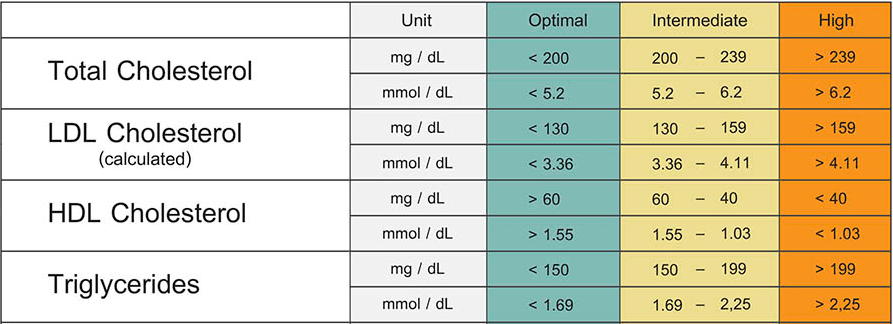
2. Lipid Panel (Cholesterol Screening)
Cholesterol testing is essential for cardiovascular prevention.
Measures include:
- Total cholesterol
- LDL (bad cholesterol)
- HDL (good cholesterol)
- Triglycerides
The American Heart Association recommends routine lipid screening as part of adult preventive care, especially for patients over 40 or with risk factors.
3. Blood Sugar Testing (Fasting Glucose or HbA1c)
Primary care providers use these tests to screen for:
- Prediabetes
- Type 2 diabetes
Why it matters:
Many adults develop insulin resistance years before symptoms appear. Early detection allows primary care teams to intervene with nutrition, exercise, and lifestyle counseling—often preventing disease progression.
4. Thyroid Function Test (TSH)
Thyroid disorders are common and frequently underdiagnosed.
Primary care physicians order TSH testing when patients experience:
- Fatigue
- Weight changes
- Hair thinning
- Mood or sleep disturbances
Thyroid screening is especially important for women and older adults.
5. Liver Function Tests (LFTs)
Liver enzymes help primary care clinicians evaluate:
- Fatty liver disease
- Medication-related liver stress
- Alcohol-related changes
These tests are often included in routine metabolic panels during annual exams.
6. Kidney Function Tests (Creatinine & BUN)
Kidney tests assess how effectively your body filters waste.
Primary care providers prioritize these tests for patients with:
- High blood pressure
- Diabetes
- Long-term medication use
Early kidney changes are often silent and reversible when detected early.
Additional Screenings Based on Primary Care Risk Assessment
Primary care providers tailor diagnostics based on age, gender, symptoms, and family history.
Vitamin & Nutrient Testing
May include:
- Vitamin D
- Vitamin B12
- Iron studies
Often recommended for patients with fatigue, bone pain, dietary restrictions, or absorption issues.
Hormone Testing
- Testosterone (men with low energy or libido)
- Estrogen/progesterone (women with menstrual or menopausal symptoms)
Primary care uses hormone testing judiciously—guided by symptoms, not trends.
Inflammation & Heart Risk Markers
- C-reactive protein (CRP)
- Advanced lipid markers (if indicated)
These tests help refine cardiovascular risk assessments when standard screening isn’t enough.
Cancer Screenings in Primary Care: What Blood Tests Can and Can’t Do
Primary care providers emphasize that blood tests alone do not diagnose cancer, but they may support screening decisions.
Examples include:
- PSA testing (individualized for prostate health)
- Stool-based tests for colorectal screening
Screening decisions follow evidence-based guidelines from the U.S. Preventive Services Task Force.
How Often Should Adults Get Blood Tests?
| Age Group | Primary Care Recommendation |
|---|---|
| 18–39 | Every 1–3 years if healthy |
| 40–64 | Annually |
| 65+ | Annually or more frequently |
Patients with chronic conditions may need more frequent monitoring.
How to Prepare for Annual Blood Work
Primary care clinics typically advise:
- Fasting 8–12 hours (if required)
- Drinking water before testing
- Bringing a medication list
- Avoiding alcohol the day before
Proper preparation ensures accurate results and fewer repeat tests.
Why Reviewing Results With Your Primary Care Provider Matters
Lab numbers don’t exist in isolation. Primary care providers interpret results by considering:
- Your medical history
- Trends over time
- Lifestyle factors
- Current symptoms
As emphasized by the Mayo Clinic, interpreting tests within the full clinical picture prevents unnecessary worry and overtreatment.
Final Thoughts: Preventive Care Starts With Primary Care
Annual blood tests and screenings are not just routine—they are a cornerstone of primary care medicine. They empower patients and providers to work together, catch problems early, and maintain long-term health.
By staying consistent with preventive diagnostics, adults can avoid complications, reduce healthcare costs, and enjoy a better quality of life.